
90th birthday memory book: photos and an optional reading
Ask the person which parts of their life and which contributors they want in a 90th birthday memory book. Identify older photographs where possible, and make any reading aloud a separate choice.
Start with the recipient's interests, photographs and preferred way of reading the book. Ninety years does not tell you who they know, where they live or what format they want.
Ask people from different periods of their life, including friends, former colleagues, neighbours or relatives. Use their actual birth year when planning dates.
If there is a celebration, ask whether they want any entries read aloud. The whole book can stay private or be given without a party.
Make the memory book together
Invite people to send photos and their own words, then choose what goes in the book.
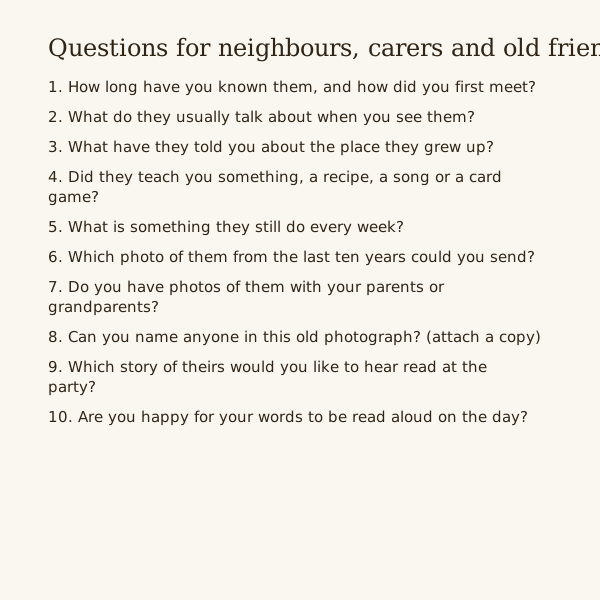
Questions for neighbours, carers and old friends' families
- How long have you known them, and how did you first meet?
- What do they usually talk about when you see them?
- What have they told you about the place they grew up?
- Did they teach you something, a recipe, a song or a card game?
- What is something they still do every week?
- Which photo of them from the last ten years could you send?
- Do you have photos of them with your parents or grandparents?
- Can you name anyone in this old photograph? (attach a copy)
- Which story of theirs would you like to hear read at the party?
- Are you happy for your words to be read aloud on the day?
| Decision | Agree with | Record |
|---|---|---|
| Whether to read | Recipient | Book only or book plus reading |
| Which entries | Recipient and contributors | Approved page numbers |
| Who reads | Recipient and reader | Name pronunciations and order |
| Who hears it | Recipient | Guests or a smaller private group |
List contributors with the recipient
List people they want included, then note the period or activity each person can cover. Ask for copies of photographs and names rather than assuming relatives hold every early picture.
- Friends from different homes, workplaces or activities.
- Neighbours or community groups they choose to include.
- Relatives and people who hold older photographs.
- Staff or carers only if the recipient wants this and their workplace agrees.
Name the oldest faces before the party
Use the earliest photographs actually available. Show copies large enough for faces to be clear, one at a time, and stop or continue according to the person's preference.
Write names exactly as they say them, row by row, left to right. Record that they named them and on what date, so later readers know where the names came from.
- Check the back of each print for a studio stamp or a pencilled name first.
- Write a guess as a guess, with a question mark.
- Stop when they want to stop, and leave the rest unnamed.
Choose what gets read aloud
If a reading is wanted, agree the entries and total length with the recipient. Practise names and page changes beforehand, using a separate reader's copy if helpful.
Ask contributors whether their words may be read aloud as well as included in the book. A contribution can remain on the page even when reading aloud is declined.
- Print the reader's copy in large type on separate sheets.
- Ask where they want to sit and how the reading should be heard.
- Keep the full book on a table for guests to look at afterwards.
Pages to make
The earliest photograph, named
The oldest chosen portrait or group photo large on the left. On the right, a numbered name key, the identification source and any remaining uncertainty.
The people who see them now
Recent photos from activities and people the recipient wants included. Put a contributor's name beside their own words, without assuming a care or family relationship.
The read-aloud pages
If wanted, put approved entries on separate large-print sheets and mark their book pages. Keep a list of which contributions may be read aloud.
The party itself
Leave the last spread empty. Add a photograph of the person with the guests and the names of who came, after the day.
Questions
Who should read the memory book aloud at a 90th?
Ask whether the recipient wants a reading first. If so, choose a reader they are comfortable with and practise the chosen entries, including unfamiliar names.
What if they cannot name the people in an old photo?
Check the back for a studio stamp, then ask the children of their old friends. If nobody knows, put it on a page of unnamed photographs for later readers.
Does the book have to be finished before the party?
Finish the read-aloud pages and the early decades. Late contributions and photographs from the day can go in afterwards.