
Pet memory book after a pet has died
Gather photos from every age, the adoption or breeder papers, the vet card, and the collar and tag photographed flat. Ask each person in the household for one memory in their own words.
A pet memory book covers a whole life, from the day the animal arrived to the end. It can be made soon after or months later; the photos and papers will keep.
Start by gathering, not arranging. Photos sit on several phones, in a cloud account and perhaps with family, and finding them takes the longest.
Make the memory book together
Invite people to send photos and their own words, then choose what goes in the book.
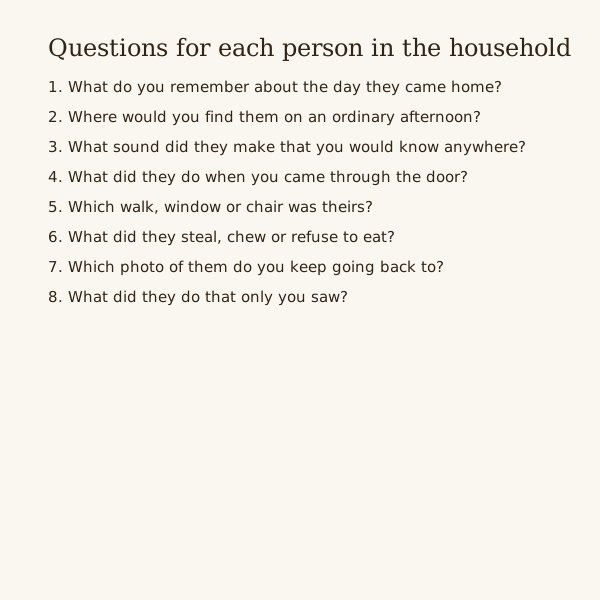
Questions for each person in the household
- What do you remember about the day they came home?
- Where would you find them on an ordinary afternoon?
- What sound did they make that you would know anywhere?
- What did they do when you came through the door?
- Which walk, window or chair was theirs?
- What did they steal, chew or refuse to eat?
- Which photo of them do you keep going back to?
- What did they do that only you saw?
| Material | Record as it arrives | Before sharing |
|---|---|---|
| Pet photograph | Sender, approximate date and place | Check people in the background |
| Collar or tag image | Which item and when it was used | Hide phone numbers and addresses |
| Paperwork | Document date and original location | Remove microchip and account identifiers |
| Household memory | Contributor's chosen name and their own words | Ask which readers may see it |
Finding photos from every age
Search each phone and shared album for the pet's name, and ask family and friends to send theirs. Older photos may be in prints or on an old laptop.
Sort into first days, middle years and later life. Keep a few ordinary pictures of them asleep or in a usual spot, not only good portraits.
Papers and flat keepsakes
Flat things can go in. Anything thick or soft is better photographed and kept in a box beside the book.
Hide your address and phone number on tag photos and microchip papers if the book will be shared.
- Adoption certificate, rescue paperwork or breeder's papers
- Vaccination card or a note of the first vet visit
- Collar and tag, photographed flat on plain paper
- A photograph of a fur keepsake or paw-print object, with the original stored separately
- A paw print, if one was made
- Toys, the lead or a bowl, photographed rather than kept in the book
Each person's own memory
Ask each person in the household separately, including children, for one memory. For a young child, write down what they say without tidying it.
Sitters, dog walkers, neighbours and the vet's team may have known the pet well. Ask them only if you want to; the book can stay within the household.
The last pages
Decide how much of the end to include. Some people put in the last photo and the date; others leave illness out. Choose what you want to look back at.
A blank final page is an option. You can also end with a favourite place or ordinary day, without adding medical records, dates or a last photograph.
Pages to make
Arrival
The adoption or breeder papers, the first photo at home and where they slept on the first night.
Habits
Their usual spots, walks or windows, with the collar and tag photographed beside them.
The people around them
Each household member's memory with a photo of them together, then any pages from sitters or neighbours.
Dates
Date of birth or arrival, the date they died, and the last photo if you want it there.
Questions
When should I make a pet memory book?
When you want to. Gathering photos can start straight away and arranging can wait weeks or months.
What can children add?
A drawing, a photo they pick, or a memory someone writes down as they tell it. Give them a page of their own rather than a corner of someone else's.
Can ashes or fur go in the book?
Keep ashes and fur keepsakes in their own suitable containers outside the book. Photograph the container or keepsake for a page if you want to include it.