
What to write in a memory book after a death
For a funeral memory book, choose one memory you want to share, identify how you knew the person and sign your name. Check the space and the family's wishes before including private details.
A memory book from a funeral or wake is read later, often more than once, by people who may not know you. Your name and how you knew the person matter as much as the memory.
Draft it on your phone first, so the page holds one clean version and no crossings out.
If nothing comes to mind on the day, sign your name and ask the family whether you can add a page later or send one by post.
Put these words on a page
Add your photos and write beside them in a digital scrapbook.
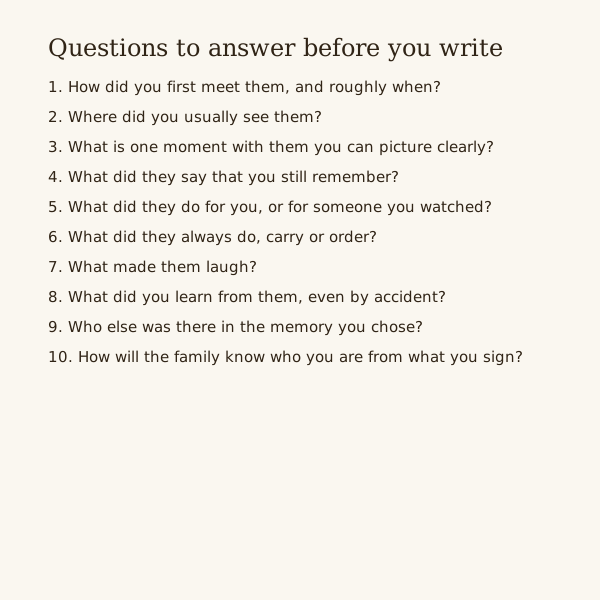
Questions to answer before you write
- How did you first meet them, and roughly when?
- Where did you usually see them?
- What is one moment with them you can picture clearly?
- What did they say that you still remember?
- What did they do for you, or for someone you watched?
- What did they always do, carry or order?
- What made them laugh?
- What did you learn from them, even by accident?
- Who else was there in the memory you chose?
- How will the family know who you are from what you sign?
A shape that works
Open with how you knew them and roughly since when: a neighbour, a colleague, a friend from a club. Families often do not know who everyone is.
Then one memory, as specific as you can make it: where you were, what they did, what was said. One clear scene tells more than a list of qualities.
Close with something they did that mattered to you, if there is one, and your name.
How long to write
Use the space the organiser has provided. A few lines may suit a book passed among guests; a separate sheet can hold a longer memory if the family wants it.
Leave room for the next person. If you need more space, write a letter and ask the family where they would like it kept.
Signing, and adding a photograph
Write your full name, not only a first name, and add how you knew them. A first name alone means little to a grandchild reading it in twenty years.
If the family is collecting photographs, one of you with them helps. Write the year and place under it and name everyone else in it.
- Use a dark pen that will not smear.
- Name everyone who appears in a photograph you add.
- Add a way to reach you only if the family has asked for one.
What to leave out
Leave out the illness and the manner of death unless the family has invited it. Skip advice for the family and religious lines they may not share.
Leave out stories that expose someone else's private life. If you are unsure whether a memory belongs in a shared book, ask the organiser or keep it for a private conversation.
Check who will receive the book
Ask whether guests will read earlier entries and whether pages will be copied or shared online. Keep contact details off the visible page unless the organiser has requested them.
Steps
Place yourself
Note how you knew them and when you met, in one line, with the place or the group.
Choose one memory
Pick a single moment you saw for yourself. Write where it happened, what they did and what was said.
Name what they did
Add one thing they did that mattered to you or to others, in plain words. Skip general praise.
Copy it out and sign
Read the draft once, then write it in pen. Sign with your full name and how you knew them.
Questions
What do you write in a memory book at a funeral?
How you knew them, one specific memory and something they did. Sign with your full name so the family knows who wrote it.
Can I write a funny memory?
Yes, if it is kind and would not embarrass them or anyone living. A funny scene can show how they really were.
What if I did not know them well?
Write how you knew them and one thing you saw them do, however small. A short clear entry from a neighbour can tell the family something new.