
16 yearbook cover ideas, drawn as real covers
A yearbook cover needs a title you can read at thumbnail size, a year, and one idea. Below are sixteen treatments as real covers, from full photo to plain cloth, and what print finishes add.
A paid plan is required to create a yearbook. Printing is a separate order.

Pick the treatment after you know the theme and the one picture you could live with for twenty years. Most covers fail on a busy photo with a title laid across it.
The covers here are designs for an invented school. They show the shape of each idea and nobody real.
See also: yearbook themes to build a cover from, what to put inside a yearbook, yearbook page layouts, scrapbook front cover ideas, a leavers book for Year 11 or 13, Yearbook ad ideas: photo layouts and submission checks.
Try a cover with your own picture
Open a book, put one photo on the cover, then change the title, colours and paper until it reads at a small size. Design a yearbook cover online.
A paid plan is required to create a yearbook. Printing is a separate order. Plans and prices.
| Finish | What it does | Worth it for | Note |
|---|---|---|---|
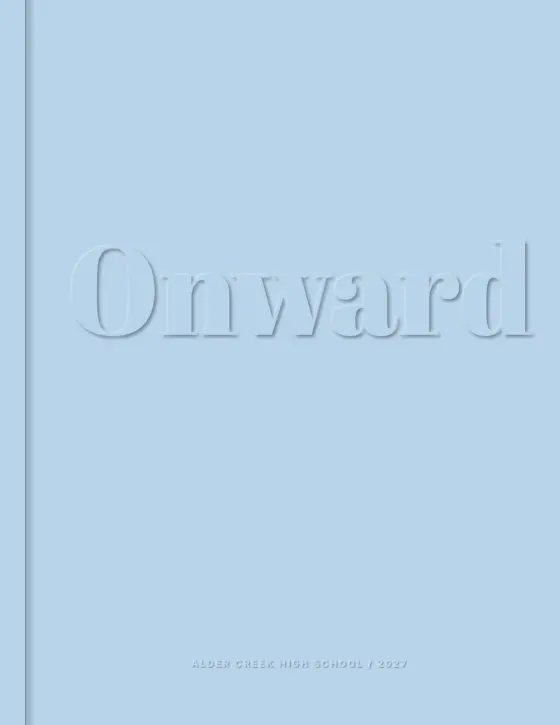
| Lithograph | Full-colour print on thick stock wrapped over board | A photo or illustrated cover | The usual base for a picture cover |
| Foil stamp | Heat and pressure stamp a metallic layer | The title or year only | Entourage adds a set-up fee under 100 books |
| Embossing | Raises part of the cover | A crest or a single word | Entourage adds a set-up fee under 300 books |
| Debossing | Presses part of the cover in | A plain cloth cover | Made with a brass die |
| Spot UV | A gloss layer on chosen areas of a matte cover | A shape repeated from the theme | Entourage adds a set-up fee under 300 books |
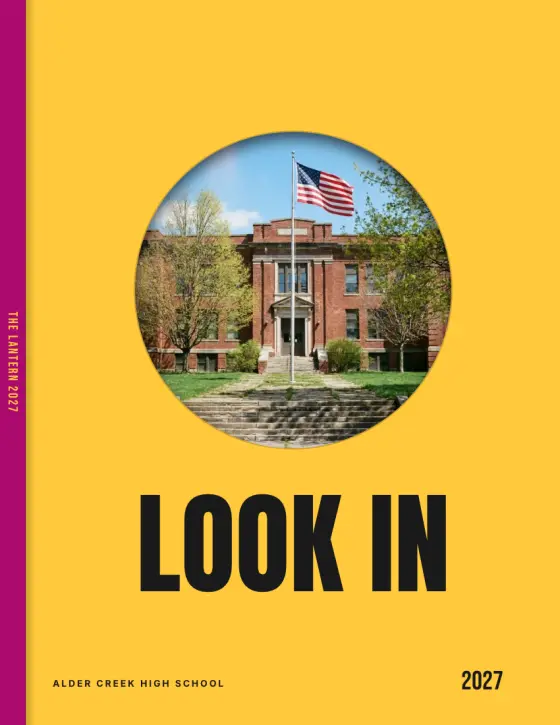
| Die cut | A shape cut from the cover with a picture showing through | A window or a keyhole theme | Entourage adds a set-up fee under 300 books |
| Cloth or grain | A woven or leather-like material | A cover with no picture | Friesens lists cloth and leather-look options |
| Softcover | A flexible printed cover | Small runs and younger grades | Entourage sells two soft packages |
Sixteen cover designs
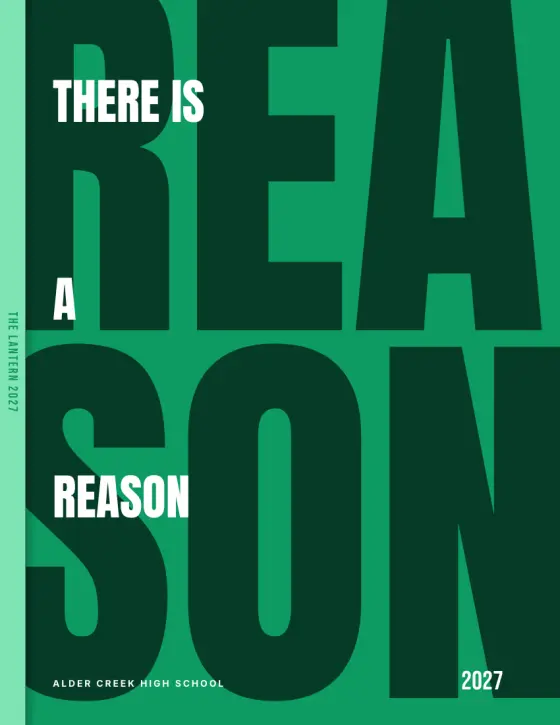
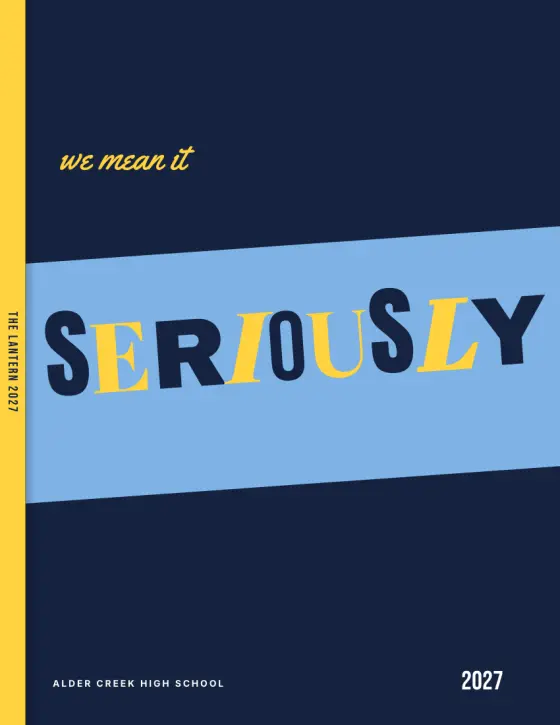
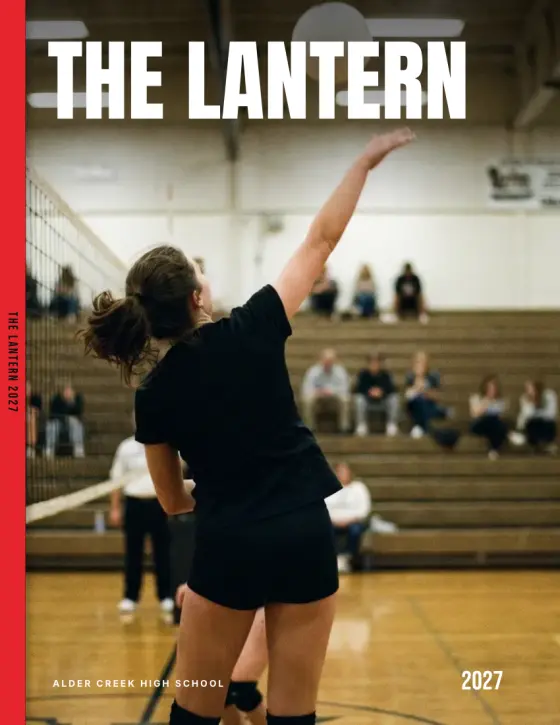
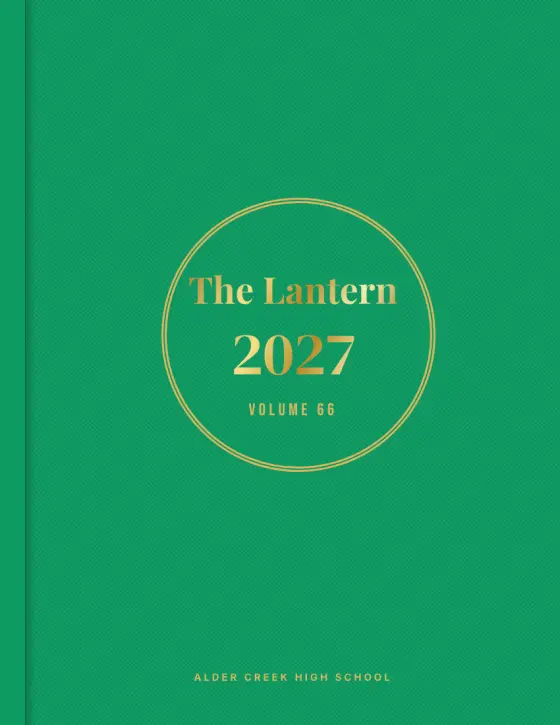
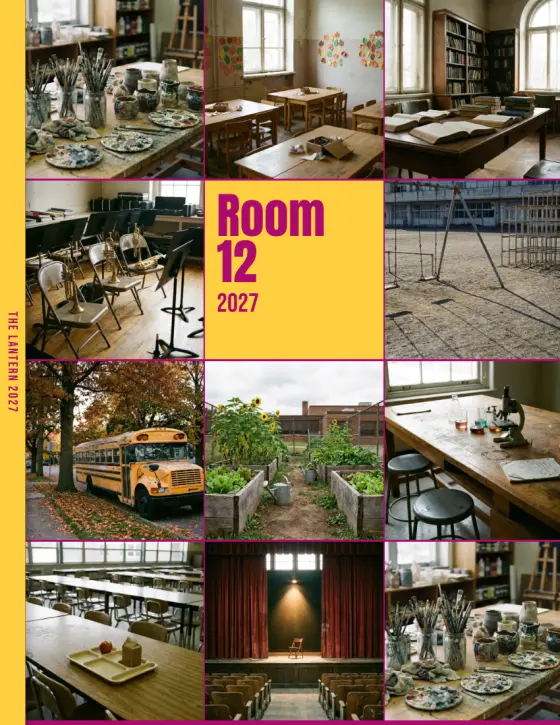
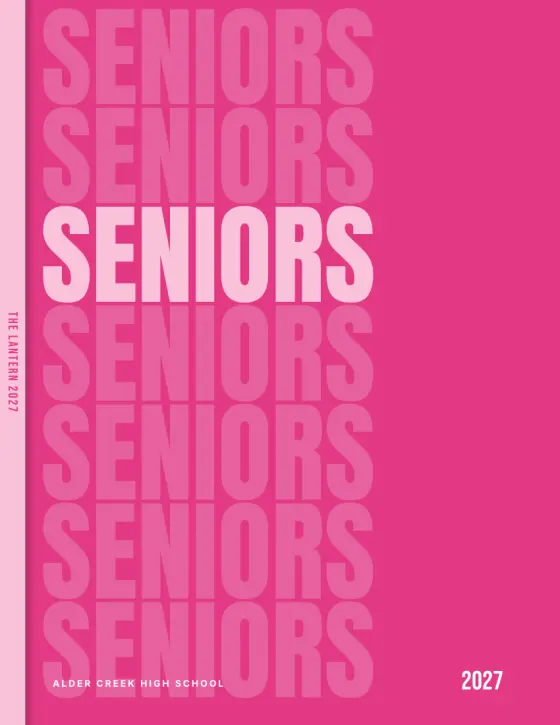
Modern yearbook covers lean on type more than photographs. These are drawn for this guide, for an invented school, and the editor does not make covers like them yet.
Titles such as Room 12 are placeholders, to show how a class, a club or a whole grade reads on the same idea.






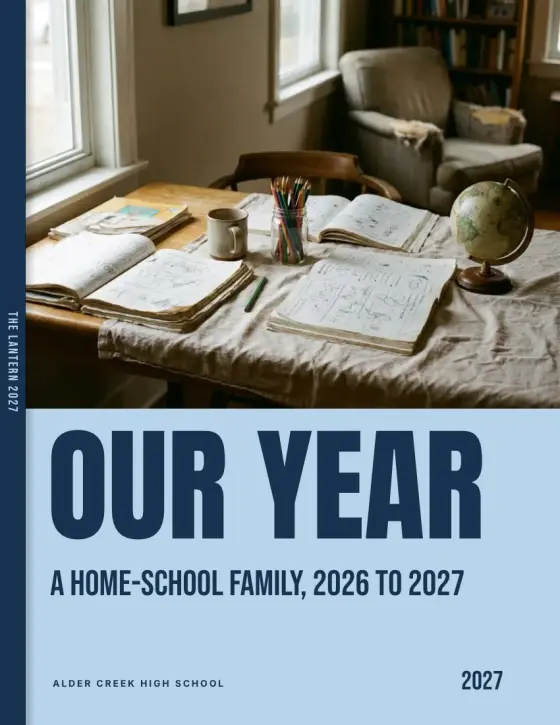
Choosing a picture that can hold a title
Look for a third of the frame with nothing in it: sky, floor, a wall. Put the title there and leave the picture alone.
Avoid a group shot of the current class. Somebody will be missing, and the cover is the one place that cannot be corrected with a sticker.
Shrink the finished cover to the size of a postage stamp. If the title cannot be read, enlarge it or cut words.
- A building or a door: dates well, offends nobody
- A place people passed every day: lockers, a bus stop, a stairwell
- An object from the year: a jacket, a programme, a ball
- Student artwork, credited and with permission
- No picture at all: colour, cloth and one word
What goes on the cover
The front needs the name of the group and the year. Everything else can move to the spine or the title page.
Say which year plainly. A school year crosses two calendar years, so choose 2026 to 2027 or the graduating year, and use the same form on the spine.
A cover is part of the theme package. The National Scholastic Press Association judges cover, endsheets, title page, opening, closing and dividers as one piece of work.
Spine, back and endsheets
A spine needs at least enough pages to hold type. A thin softcover may have no usable spine, so check with whoever prints it before you design one.
Herff Jones shows spines carrying the theme, school name, city and state, book name, year and volume number. Choose the two or three a person needs to find it on a shelf.
Endsheets are the heavy pages between the cover and the book. Entourage sells printed ones as an upgrade on hardcovers. Left plain, they are a good place for signatures.
The back cover can be blank. If it is not, continue the front picture around it or repeat one small element.
What you can and cannot get here
A printed book from tbf scrapbook comes in softcover, hardback, matte hardback or lay-flat, with your cover printed in full colour. Foil, embossing and die cuts are not on that list.
If a whole school wants those finishes, a yearbook firm is the right place, and a large order spreads the set-up fee. On twenty copies for one class, that fee lands on very few books.
For a class, a club, a home-school group or a family year, the plain printed cover is the sensible one. Spend the effort on the picture.
Pages to make
Front cover
Group name, year and one picture or colour. Test it at thumbnail size before anything else.
Spine
Name and year, reading top to bottom as US books do. Skip it on a book too thin to carry type.
Back cover
Blank, or the picture continued from the front. Keep a small note of the printer off the back and in the colophon.
Endsheets
Plain paper for signing, or a pattern taken from the theme. Leave faces and text off the fold.
Questions
What makes a good yearbook cover?
One clear picture or none, a readable title and the year. A strong cover connects to the theme and still makes sense to somebody who was not at the school.
How much does a custom yearbook cover cost?
Firms price finishes per order. Entourage adds a set-up fee on foil under 100 books, and on spot UV, die cuts and embossing under 300. Ask for a written quote.
Should the cover have student photos on it?
Usually not. Somebody will be left out, and permissions matter more on the outside of a book. A place or an object carries the year without choosing among people.
Sources
Before you finish
Plan the yearbook pages
Choose the number of students, their space and the shared pages in Studio. The total includes both covers and must be even, up to 300 pages.
A family book can use shared pages without individual student pages. Print limits depend on the binding you choose.